


In every design style, lighting is always considered the “soul” of the space. But in contemporary interiors, lighting is not merely an illumination tool – it is the art of shaping emotion, proportion, and aesthetic depth.
A room can become vibrant, luxurious, or dull solely by the way we “tell the story” with light.
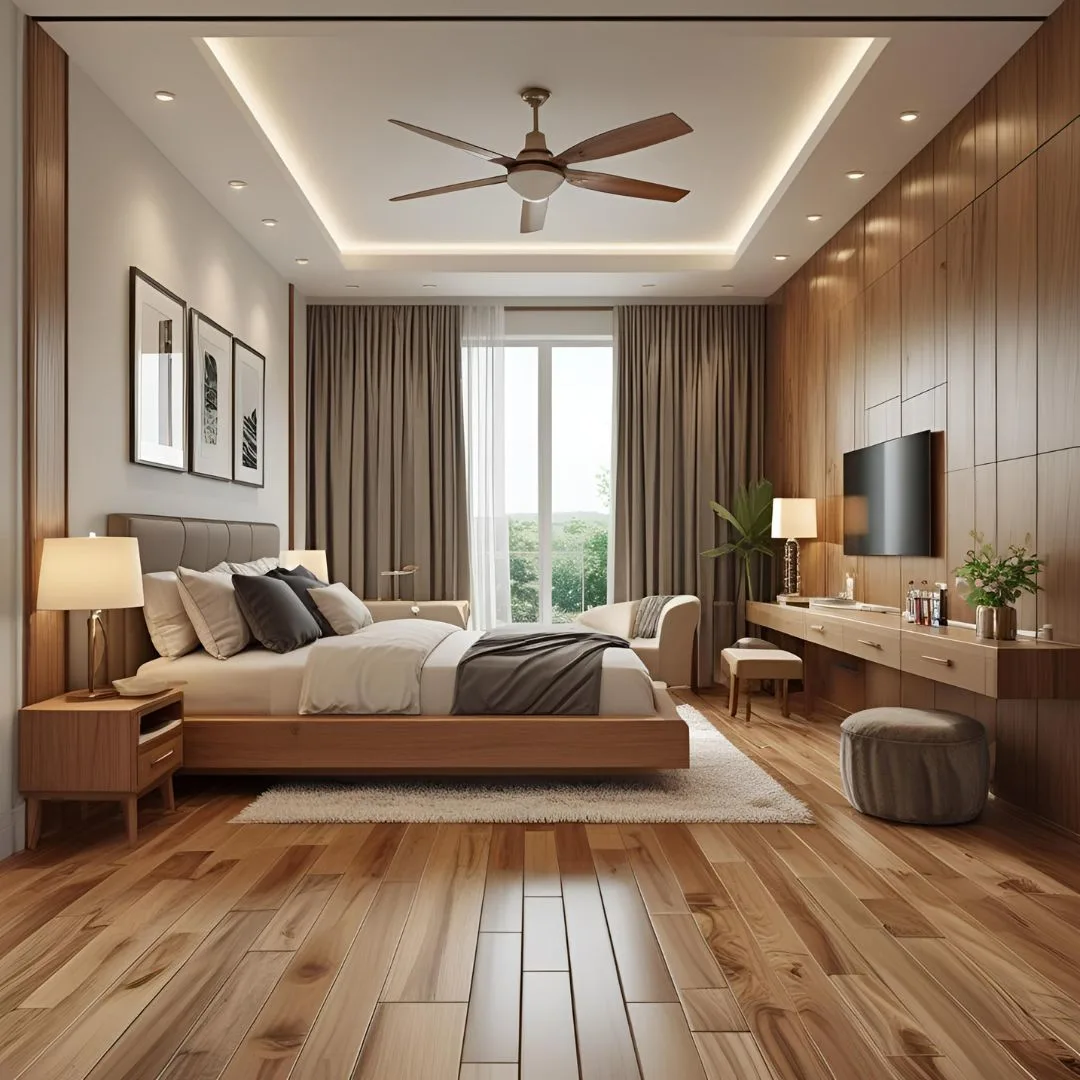
Lighting helps:
-
Create Visual Rhythm: When lighting is skillfully arranged, the space gains rhythm and layering – highlighting accents and softening backgrounds.
-
Celebrate Materials: Wood, glass, metal, or natural stone – all become more “soulful” under appropriate illumination.
-
Establish Emotion and Identity: Warm light brings a sense of intimacy, while cool light suggests pure modernity – the choice of lighting is also a way to define the homeowner’s personality.
Three Main Types of Lighting in Contemporary Interiors
Natural Light – The Purest Energy Source
Contemporary spaces often maximize natural light through large glass door systems, frameless glass partitions, skylights, and so on.
Daylight filters through every wood fiber, softly reflecting on stone surfaces or wooden floors, creating a mellow effect that no other lamp can replicate.
Designing with natural light is the art of “regulation” – ensuring sufficient brightness while maintaining warmth and depth.
Functional Lighting – Guiding Functionality
Downlights, cove lighting, under-cabinet lights, LED linear lighting… are indispensable elements in modern design.
They not only help increase convenience but also create multi-layered illumination – preventing the space from feeling flat and dull.
In classical interior spaces, lighting often leans more towards decoration; whereas in contemporary design, functional lighting is the language of sophistication and science.
Accent Lighting – The Artistic Mark of Design
Pendant lights over the dining table, decorative wall lights, statement floor lamps… are carefully selected to highlight the central composition: the dining table, sofa, wall art, or display area.
Every beam of light is a “brushstroke” on the overall canvas – contributing to shaping the style and emotion of the home.
The Art of Light Coordination – The Technique Behind Perfection
Contemporary spaces always emphasize the balance between light and shadow.
Lighting does not necessarily have to be blazing; sometimes, an intentional dark area actually highlights the luxury of the materials and forms.
-
Recessed ceiling lights or hidden LED line lights in coves: provide soft, glare-free light, suitable for modern flat ceilings.
-
Wall-washers or floor-washers (Up/Down Lighting): create a sense of depth, highlighting material textures (wood veneer, marble, decorative concrete…).
-
Table lamps and floor lamps: add personalization, increasing the artistic and emotional quality of each corner of the space.
The cleverness lies in the fact that: the lighting is not ostentatious, yet it still allows the person entering to perceive the “preciousness” of every detail.
Light Color Temperature – Creating the Space’s Identity
Contemporary interiors are not restricted by templates, but always strive for consistency in lighting language.
-
Warm yellow light (2700 – 3000K): suitable for living rooms and bedrooms – delivering a cozy, relaxing feeling.
-
Neutral light (3500 – 4000K): used for common living areas or kitchens – balancing warmth and coolness.
-
White light (5000 – 6500K): appropriate for work spaces, libraries, or studios – creating a pure, focused feeling.
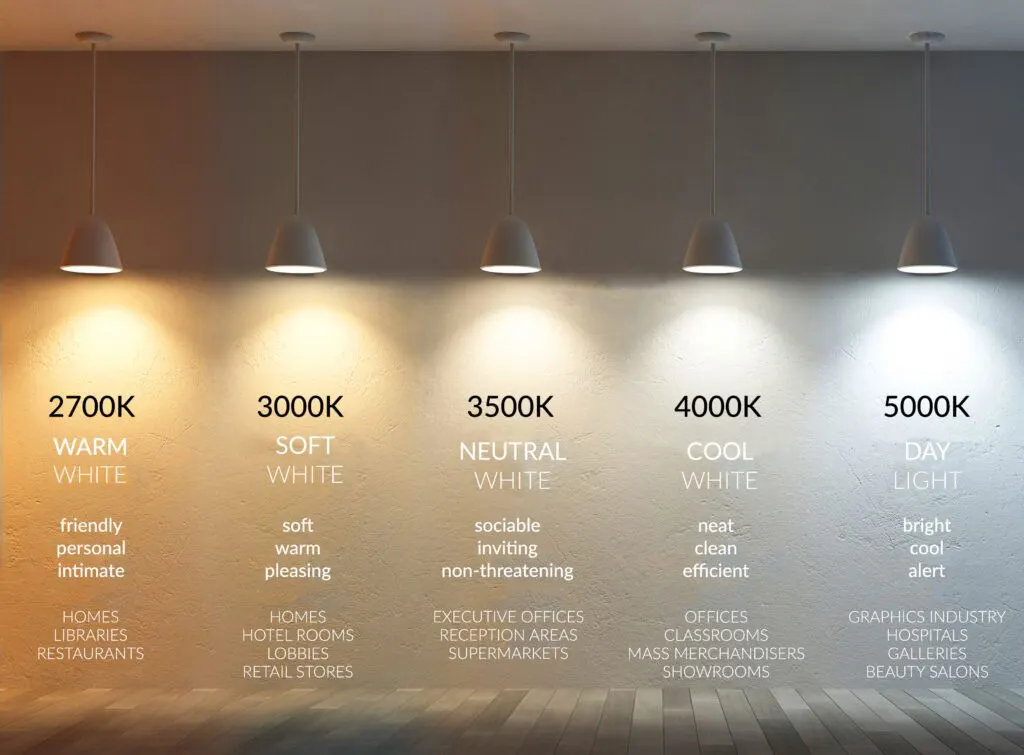
When coordinating lighting, designers usually select one dominant light tone, avoiding the mixing of too many color temperatures, which can cause the space to lose consistency.
From Light to Emotion – Luxury Comes From What Is Unseen
A high-end contemporary apartment does not require too many intricate details. Instead, it touches the viewer through the subtle emotions evoked by light and materials.
Light softly casts over a walnut wood panel, reflects on the bright stone surface, and gently spreads through thin silk curtains – creating a space that is both tranquil and luxurious, where every sense is awakened.
That is the true level of luxury in contemporary interiors – sophistication hidden within every glow of light, every breath of the space.
Lighting Design Trends 2025 – Technology Meets Art
In 2025, lighting trends in contemporary interiors focus on:
-
Smart Lighting: Intelligent light systems controlled via apps, motion sensors, adjusting colors according to the time of day.
-
Human Centric Lighting: Lighting that simulates natural cycles, helping to regulate human circadian rhythms and emotions.
-
Sculptural Lighting: Lamps are not just functional, but sculptural artworks within the space.
Technology is merely the tool – emotion is the ultimate destination.
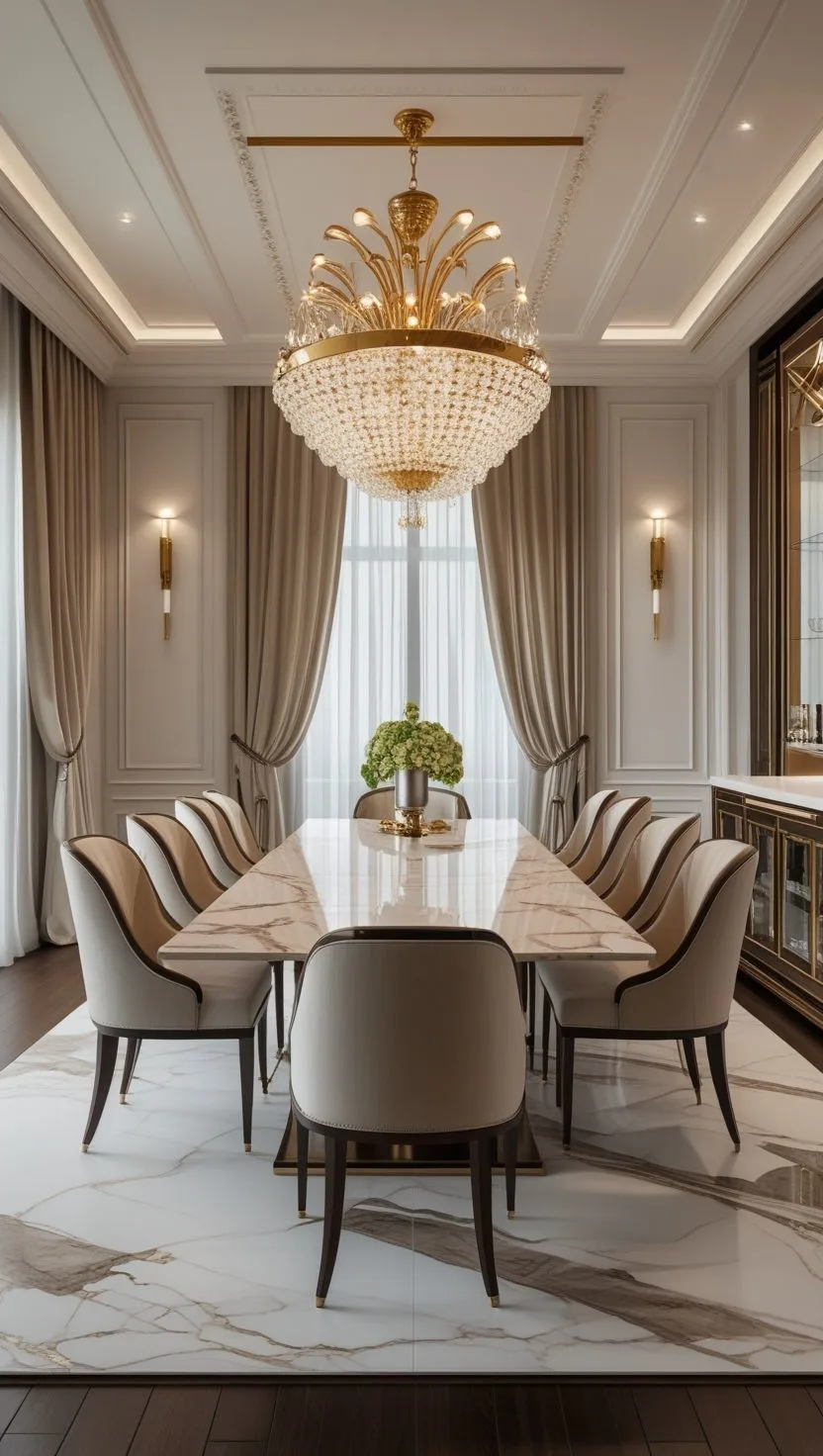
When lighting is positioned correctly, the contemporary space is not only more beautiful – but also more “alive”, possessing soul and depth.
Conclusion
In the world of contemporary interiors, lighting is the “silent storyteller”.
It is not loud, nor ostentatious, yet it shapes the entire emotion, aesthetics, and spiritual value of the space.
That is why, in high-end projects, lighting is always considered the intangible factor – but one that carries tangible power, creating the true luxury of a living space.
HANSA INTERIOR COMPANY
- Southern Office: 55 Street No. 39, Van Phuc Urban Area, Hiep Binh Ward, Ho Chi Minh City
- Northern Office: 37 Alley 98, Dam Quang Trung Street, Long Bien Ward, Long Bien District, Hanoi.
- Factory: 263 Nguyen Thi Minh Khai Street, Di An Ward, Ho Chi Minh City.
- Mobile: 0912.471.925 – 090.139.8689
- Email: hansaglobalvn@gmail.com
- Website: www.hansaglobal.vn
You may be interested in
How to create luxurious color combinations in contemporary interiors
Why do the elite favor the Contemporary style over the Neoclassical style?
Standardized wood surface treatment and finishing process